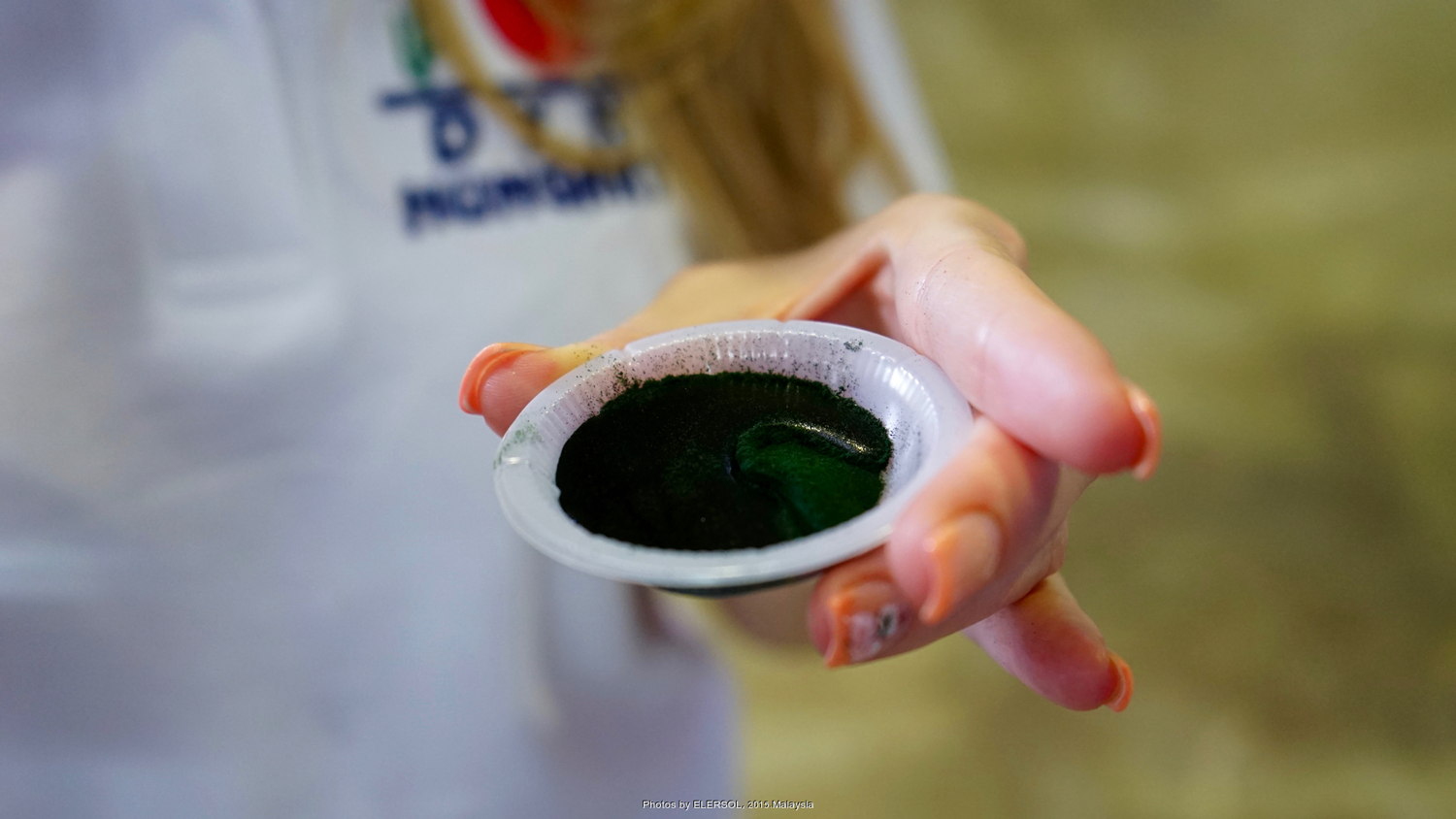
The type of spirulina you choose matters.
The same name can be on the box, yet there can be huge differences in effect, safety, and quality.
Why is spirulina special?
Spirulina is a blue‑green microalga and one of the most nutrient‑dense foods we know today.
According to research, it supports cardiovascular health, metabolism, and the immune system, and helps the body’s antioxidant defenses.
It may help lower LDL cholesterol and triglycerides, raise the “good” HDL cholesterol, and help maintain normal blood pressure.
Its antioxidant and anti‑inflammatory effects are being studied, as well as its positive impact on the immune system, its role in reducing heavy metal load, and in supporting metabolism – for example, blood sugar levels and insulin sensitivity.
Its dry matter can consist of 60–70 percent protein, and it is a complete protein, meaning it contains all essential amino acids.
In addition, it supplies iron, magnesium, potassium, manganese, zinc, copper, several B vitamins, beta‑carotene, and powerful antioxidants – such as chlorophyll and phycocyanin – all at once.
Spirulina not only provides nutrients but, through chlorophyll and other pigments, may also support detoxification processes, gut health, and reduce inflammation.
Several studies suggest it may also play a role in helping to protect cells from certain carcinogenic substances.
Why does it matter where it comes from?
Spirulina is like a “sponge”: it absorbs everything from its environment.
If it is harvested from uncontrolled waters, it can easily become contaminated with heavy metals, pesticide residues, or toxic algal toxins.
These contaminants can burden the liver and nervous system and may cause serious health problems over time – the exact opposite of why people choose to take spirulina.
Another risk is that in poorly cultivated or processed spirulina, active compounds – such as phycocyanin or chlorophyll – partly break down, so they provide far less benefit than you expect.
In other words, spirulina from an uncontrolled source can be both less effective and even potentially dangerous – not just “a bit lower quality”.
This is why it is not just a marketing gimmick when people say it matters where it comes from, how it is cultivated, and how it is processed.
At DXN, the entire process is measured and monitored from start to finish: they track cell count, growth rate, and perform regular microbiological tests.
This is why, with controlled cultivation, there is no chance of heavy metal contamination or other toxin content.
What happens on a high‑quality spirulina farm?
Serious producers like DXN work with closed or semi‑closed ponds with controlled water quality, and do not harvest the algae from natural waters.
They maintain the water pH between 8.5 and 11 so that spirulina can thrive, while other microorganisms cannot multiply.
They maintain the water temperature between 35 and 37°C, provide light in a 12-hour light/12-hour dark cycle, and add carbon dioxide to the water during the rapid growth phase.
Continuous microbiological tests are carried out in the ponds.
This way, any unwanted microorganisms or contamination can be detected before the spirulina reaches consumers.
How does it become powder from the pond – and why is it so complicated?
When spirulina reaches the right density, it is separated from the water using microfilters, then gently centrifuged to avoid unnecessary cell breakage.
Next comes cell disruption: using high‑pressure equipment at around 150–200 MPa, the cells are “broken open” while the temperature is strictly controlled.
The goal is to release the active compounds inside the cells without damaging or degrading heat-sensitive compounds.
The extraction of the active compounds happens in several steps: using food‑grade solutions and gentle solvents, the different fractions are separated so that, for example, phycocyanin can be obtained separately in concentrated form.
In the extraction equipment, the temperature is kept below 45 degrees, and the pH is maintained at 5.5 and 6, as this best preserves the color and biological activity of phycocyanin.
Supercritical carbon dioxide extraction is becoming increasingly common, enabling the extraction of fat‑soluble components, such as carotenoids and certain essential fatty acids, without solvent residues.
How does it stay good on the shelf?
Spirulina extract is sensitive to oxidation, light, and heat – if stored improperly, it loses a large part of its active compounds.
Therefore, DXN uses oxygen- and light-protected storage, stabilization with natural saccharides, and preservation methods without synthetic preservatives.
This way, the bioactive components are preserved while the product remains natural in composition.
The entire chain – from the pond to the jar – is governed by quality assurance systems such as GMP and HACCP.
This is not just a box-ticking exercise; it means that every step is documented, the processes are controlled, and the finished product is continuously tested.
What does this mean if you take spirulina?
When you buy spirulina, you are not just choosing a green powder or tablet.
You are buying an entire cultivation, processing, and quality-assurance system – or the lack thereof.
Uncontrolled, usually cheaper spirulina may be less effective, and it can also be contaminated, causing more harm than good.
High‑quality spirulina, like DXN’s, is more expensive because it requires clean water, a controlled cultivation system, carefully adjusted temperature and light, gentle cell disruption, multi‑step purification, and continuous testing.
And in this story, it really does matter which spirulina ends up in your capsule or your morning smoothie.
Based on independent quality certifications and years of positive user feedback, DXN Spirulina is considered one of the highest-quality spirulina products available today.